
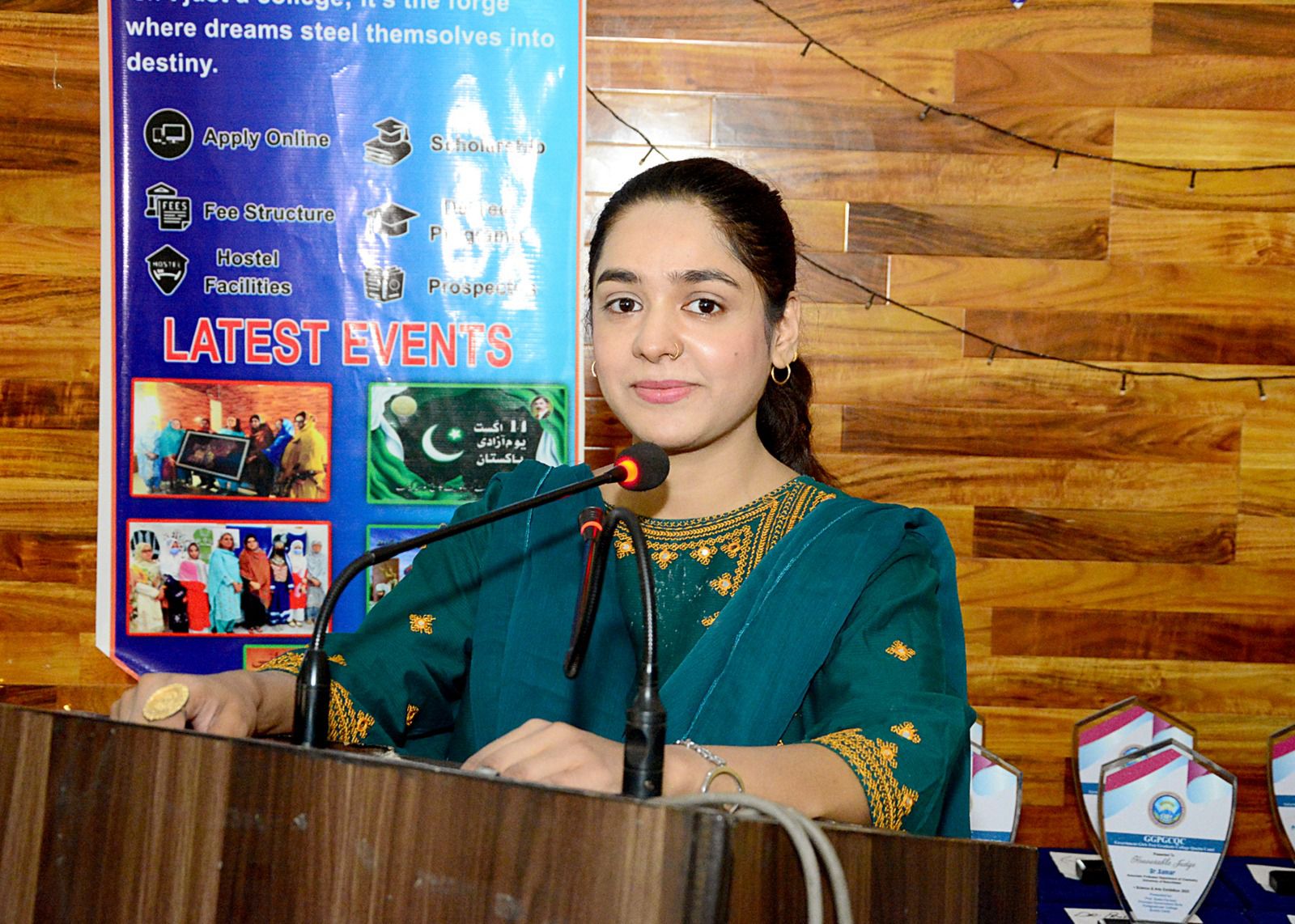
Article by: Wania Tahir Lecturer Quetta Balochistan, PhD scholar Japan
In an era defined by uncertainty, nations are increasingly turning toward technology not just for growth, but for survival. Pakistan, a country rich in human potential yet challenged by socio-political complexities and public health vulnerabilities, stands at a pivotal moment. By embracing artificial intelligence (AI) and virtual learning, Pakistan can build resilience against war-like situations and future pandemics—transforming crises into opportunities for stability and progress.
Artificial intelligence has emerged as a powerful tool in conflict prevention and management. Through predictive analytics, AI can analyze patterns in social, political, and economic data to identify early warning signs of unrest. In Pakistan, where regional tensions and internal security concerns persist, such systems could enable authorities to intervene proactively rather than reactively. AI-driven surveillance, when used ethically, can enhance border security, monitor extremist activities, and prevent the escalation of violence. Moreover, AI can assist in disaster response, optimizing resource allocation during emergencies and ensuring that aid reaches vulnerable populations efficiently.
Equally transformative is the role of virtual learning. The COVID-19 pandemic exposed critical gaps in Pakistan’s education system, where millions of students were left without access to schooling. Virtual learning platforms can bridge this divide, ensuring continuity of education even during lockdowns or conflict situations. By investing in digital infrastructure and affordable internet access, Pakistan can democratize education, reaching remote and underserved communities. This not only safeguards learning during crises but also empowers a generation with the skills needed for a digital future.
Beyond education, virtual platforms can foster social cohesion. In times of conflict, misinformation and propaganda often fuel division. Online learning environments and digital literacy programs can equip citizens with critical thinking skills, enabling them to discern truth from falsehood. This, in turn, reduces the risk of mass panic and societal fragmentation during crises.
In the realm of public health, AI has already demonstrated its potential in pandemic management. From early detection of disease outbreaks to vaccine development and distribution, AI systems can significantly enhance Pakistan’s healthcare response. Predictive models can forecast the spread of infectious diseases, allowing for timely interventions such as targeted lockdowns and resource deployment. Telemedicine, powered by AI, can bring healthcare services to rural areas, reducing the burden on urban hospitals and minimizing exposure during outbreaks.
However, the successful integration of AI and virtual learning in Pakistan requires more than technological adoption. It demands policy reform, investment in infrastructure, and a commitment to ethical standards. Data privacy, cybersecurity, and equitable access must be prioritized to ensure that these tools serve all citizens without discrimination.
Furthermore, collaboration between government, private sector, and international partners is essential. By fostering innovation ecosystems and supporting local tech startups, Pakistan can develop homegrown solutions tailored to its unique challenges. Education and training programs must also be expanded to build a workforce capable of leveraging these technologies effectively.
In conclusion, artificial intelligence and virtual learning are not merely tools of convenience—they are instruments of resilience. For Pakistan, they offer a pathway to mitigate conflict, manage pandemics, and build a more stable and informed society. By investing in these technologies today, Pakistan can secure a safer, smarter, and more sustainable tomorrow.
Discover more from UGNEWS
Subscribe to get the latest posts sent to your email.







Leave a Reply