
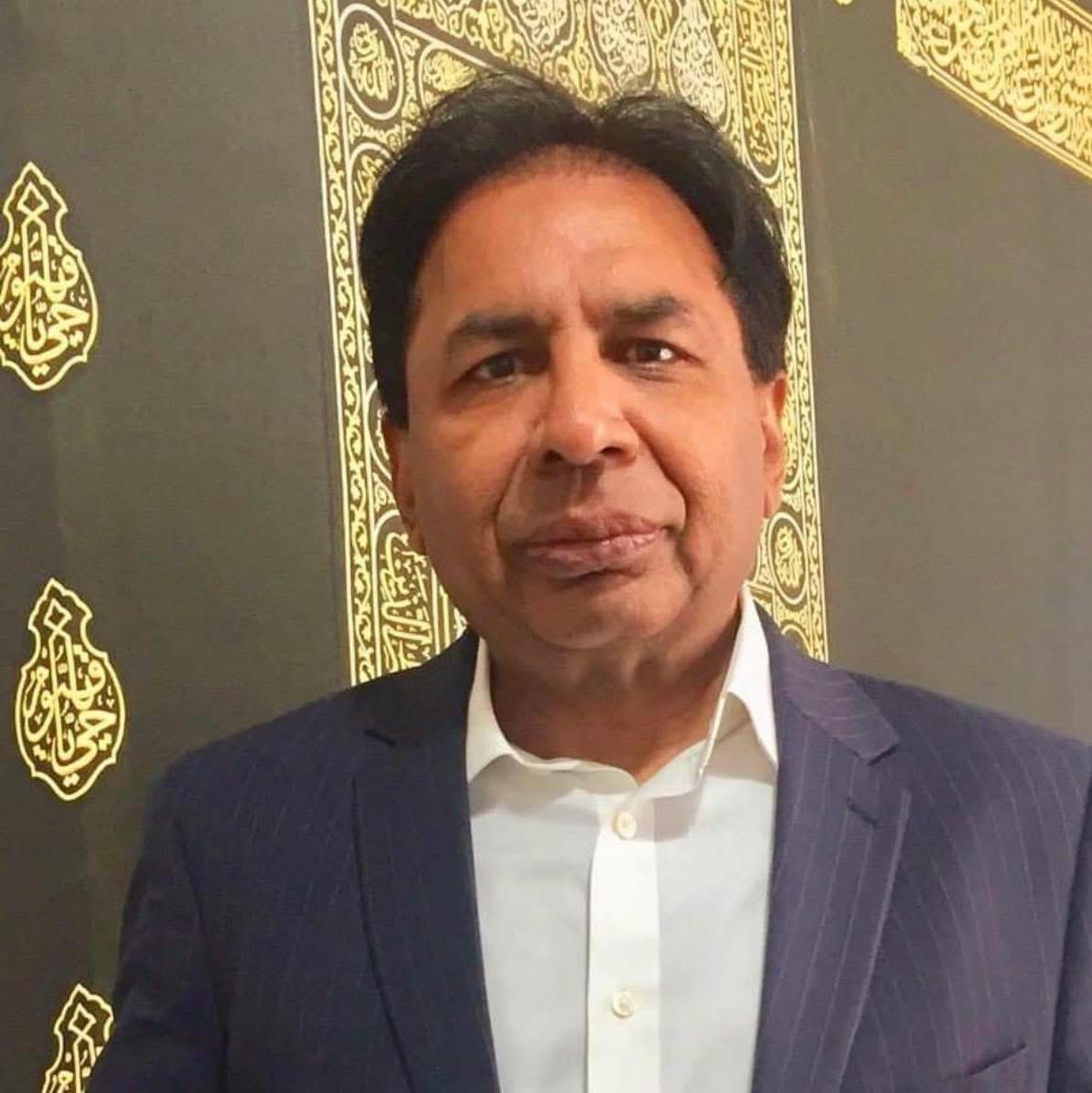
By the Overseas Advisor Jawaid Iqbal to the Prime Minister of Azad Jammu and Kashmir Faisel Mumtaz Rathore
Criminalising Privacy and Digital Repression of Kashmiris in India occupied territory
As the Overseas Advisor to the Prime Minister of Azad Jammu and Kashmir, I write with deep concern over recent developments in Indian occupied Jammu and Kashmir. According to Universal Declaration on Human Rights, Article 15 (right to nationality), Article 18 (freedom of thought, conscience and religion), Article 19 (right to freedom of opinion and expression), Article 20 (freedom of association) and binding covenants under International Covenants on Civil and Political Rights outlined that people have rights. Recent actions by the Indian government, include measures introduced by the Indian government which have banned VPN services, raids on independent media outlets, and the intrusive profiling of mosques. Reflect a troubling strategy of psychological pressure and repression, rather than a sincere effort to ensure peace or stability.
These actions are not isolated security steps. Taken together, they represent a systematic erosion of civil liberties in a region that has endured decades of conflict and political uncertainty.
The ban on VPNs across parts of Jammu Kashmir marks a new low digital repression. VPNs are widely used around the world to protect privacy, secure communications, and enable professional activity. In Kashmir, however, their use has been treated as inherently suspicious, subjecting ordinary citizens. Including students, journalists, and professionals, to questioning and intimidation due to their identity being Muslim Kashmiris which is breach of Universal Declaration on Human Rights Article 22 (social identity and dignity).
By criminalising privacy, enhancing tools, Indian authorities have created an environment of constant surveillance and fear. This approach goes well beyond targeted counterterrorism efforts and amounts to collective punishment. It further restricts digital space in a region already scarred by repeated internet shutdowns and online censorship.
Such blanket restrictions contradict international standards on freedom of expression and access to information, to which India formally committed.
Targeting Independent Journalism
Equally alarming are the raids conducted on the offices of Kashmir Times, one of the regions oldest and most respected newspapers. Regardless of official explanations, the impact of these actions is unacceptable and a breach of Universal Declaration on Human Rights Article 19 (freedom of opinion and expression). .
A free press is the essential for accountability and democratic governance. When newsrooms are raided and journalists harassed, the space for truth and debate narrows. International press freedom organisations condemned these actions, recognising them as part of a broader pattern aimed at silencing dissent and controlling narratives in Jammu Kashmir.
For a country that seeks global recognition as the world’s largest democracy, such measurers severely undermine creditability and invite international scrutiny.
Surveillance of Religious life
Perhaps most disturbing is the profiling of mosques, imams, and religious institutions throughout the Kashmir valley. Indian authorities have sought detailed personal, financial, and organisational information from places of worship, effectively converting them into sites of surveillance.
This practice violates the principle of religious freedom and deepens alienation in a Muslim- majority region that has already experienced political disenfranchisement since the revocation of its special constitutional status in 2019. Treating religious institutions as security threats erodes social trust and reinforce feelings of collective suspicion leading to breaches of Universal Declaration on Human Rights Article 15 (right to nationality), Article 18 (freedom of thought, conscience and religion), Article 19 (right to freedom of opinion and expression) and Article 20 (freedom of association)
History shows that policies which stigmatise religious life do not bring stability. They entrench resentment and prolong conflict.
Psychological Pressure as Governance
Taken together, these reveal a governance approach rooted in coercion rather than consent. By restricting digital freedoms, intimidating the press, and monitoring religious spaces, the Indian government appears focused on suppressing dissent instead of addressing the political roots of the Kashmir dispute.
Such policies may produce short-term compliance, but they are inherently unstainable. Peace enforced through fear cannot endure, and stability imposed by repression is illusory.
The psychological toll on Kashmir’s population living under constant scrutiny and uncertainty is profound and deeply damaging.
Call to the International community
Kashmir is not internal part of India and it remains an unresolved international dispute with serious implications for regional peace and global human rights norms. The International Community must not remain silent as the democratic principle is steadily eroded away for Kashmiris.
India must be urged to reverse these draconian measures, restore fundamental freedoms, and engage impartially and democratically with Kashmiri people. Justice, dignity, and respect are part of rights for all those in occupied territories and are not to overlooked to punish or harm the Kashmiris which are illegally occupied by India.
The people of Azad Jammu & Kashmir deserve a future defined by United Nations Security Council Resolutions of self-determination and not one shaped by fear and repression in the name of Indian nationalism.
Overseas Advisor to Prime Minister of AJK
Malik Jawaid Iqbal
Discover more from UGNEWS
Subscribe to get the latest posts sent to your email.





Leave a Reply