
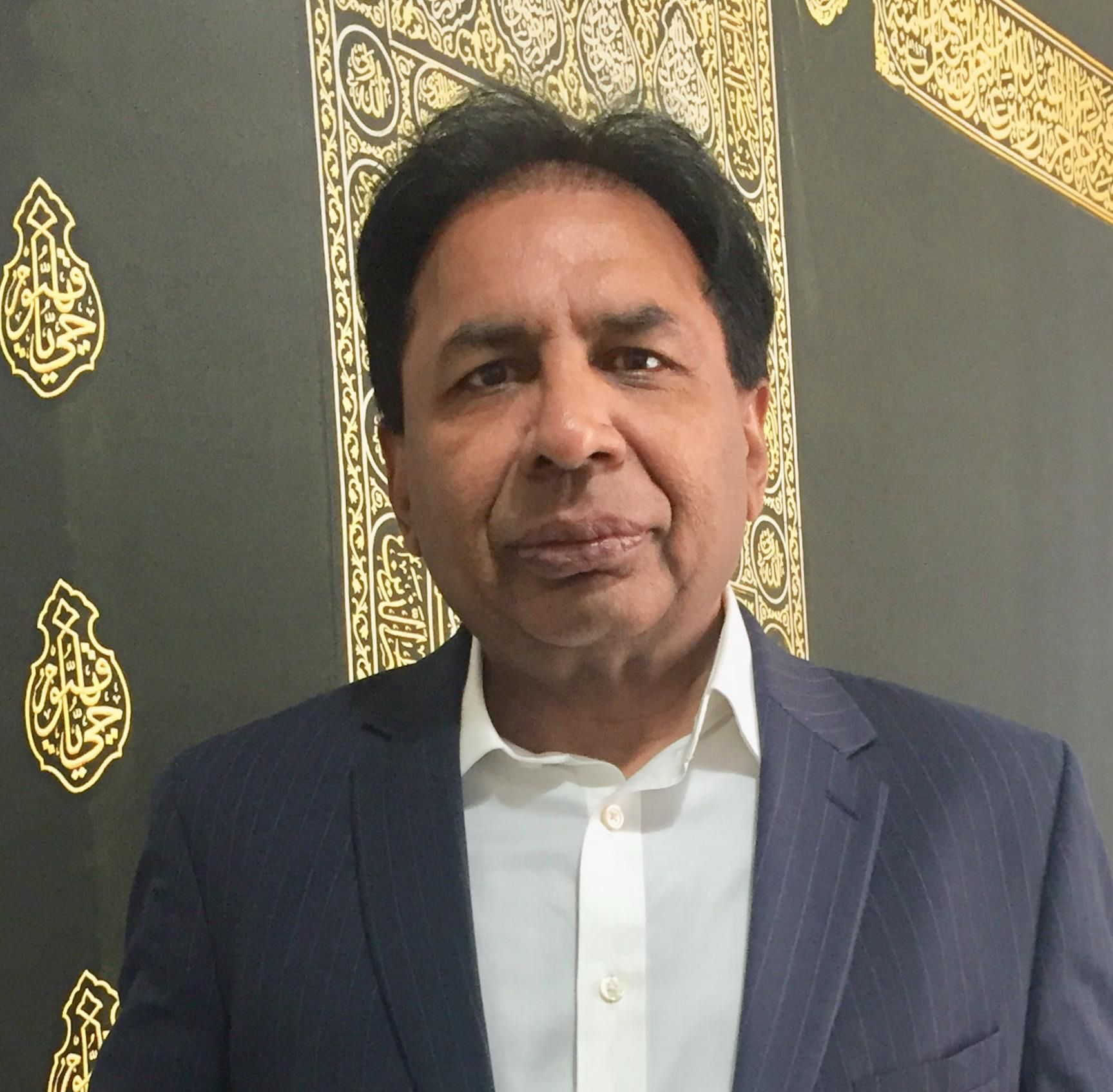
By Malik Jawaid Iqbal overseas Advisor to prime minister of Azad Jammu and Kashmir
As tensions and uncertainty continue to affect public life in Azad Kashmir, there is an urgent need for calm, dialogue, and a renewed commitment to democratic principles. At a time when misunderstandings threaten to deepen divisions, it is important to reaffirm a fundamental truth: the people of Azad Kashmir stand shoulder to shoulder with the people of Pakistan and continue to cherish the historic bonds of brotherhood, mutual respect, and shared aspirations.
Contrary to narratives that seek to portray Kashmiris as being at odds with ordinary Pakistanis, the overwhelming sentiment among the people remains one of affection and solidarity. Kashmiris have long valued their relationship with Pakistan and continue to regard its people as brothers and partners in a shared future. Any attempt to create hostility between the two communities serves neither the interests of Kashmir nor Pakistan.
The current challenges facing the region require political wisdom rather than confrontation. Public concerns cannot be addressed through restrictions or the suppression of legitimate voices. Citizens have the democratic right to express their views through peaceful gatherings, demonstrations, and civic engagement. Respecting these rights strengthens institutions, promotes stability, and builds confidence between the public and the state.
In this context, many voices across society are calling for the immediate withdrawal of notifications and measures directed against the Joint Action Committee. Such a step would send a positive signal, reduce tensions, and create an atmosphere conducive to meaningful engagement. Equally important is the need to honour and implement commitments and agreements previously reached with public representatives and stakeholders.
History demonstrates that lasting peace is achieved through dialogue, consultation, and mutual respect. When people feel heard and their concerns are addressed through constructive engagement, trust flourishes and societies move forward. Conversely, policies perceived as exclusionary or heavy-handed risk widening the gap between institutions and the citizens they serve.
The people of Kashmir seek neither conflict nor confrontation. Their aspirations are simple and legitimate: justice, dignity, economic stability, accountable governance, and the right to participate peacefully in public affairs. These objectives can only be achieved through open communication and a sincere willingness to listen to the concerns of all stakeholders.
At this critical moment, leaders at every level must choose the path of reconciliation and common sense. Restoring public trust should be the foremost priority. Protecting democratic freedoms, respecting peaceful dissent, and creating space for dialogue are not signs of weakness; they are hallmarks of confident and responsive governance.
The future of Azad Kashmir depends upon unity, understanding, and a shared commitment to peace. The bonds between the people of Kashmir and Pakistan remain strong and enduring. It is now the responsibility of all concerned to ensure that these bonds are strengthened through justice, respect, and meaningful dialogue.
The need of the hour is not division, but unity; not confrontation, but consultation; not mistrust, but confidence-building. Peaceful engagement and democratic dialogue offer the surest path toward stability, prosperity, and lasting harmony for all.
Discover more from UGNEWS
Subscribe to get the latest posts sent to your email.



Leave a Reply