
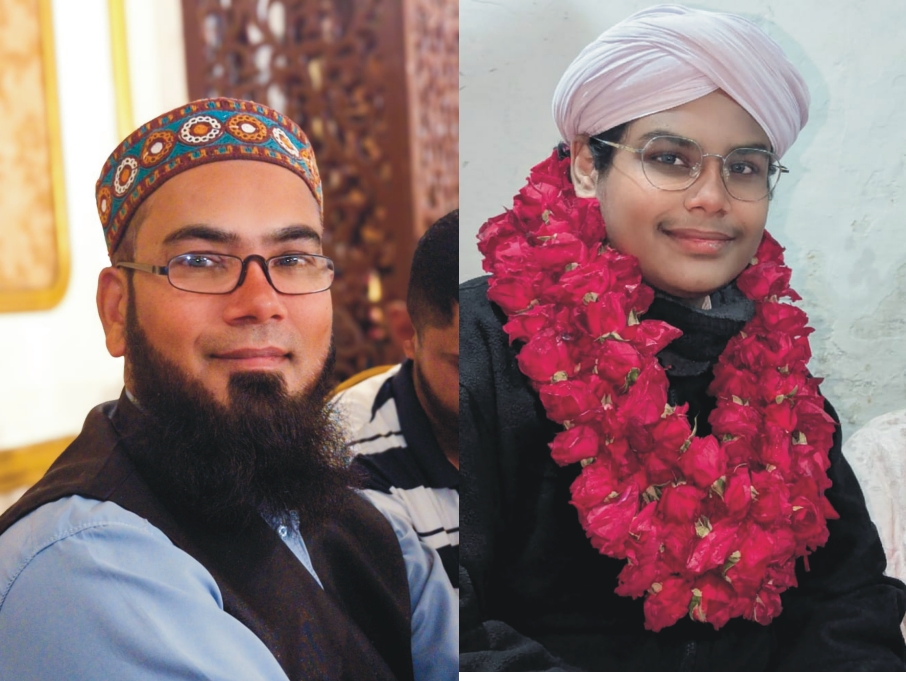
Rasheed Ahmad Chughtai
Incident Overview
On Wednesday, July 31, 2024, the head of Hamas’ political bureau, Ismail Haniyeh, and one of his bodyguards were assassinated in a guesthouse complex controlled by the Iranian Revolutionary Guard Corps (IRGC) in Tehran, Iran. The complex was targeted by two Israeli missiles, resulting in the deaths of Haniyeh and his guard.
Background on Ismail Haniyeh
Ismail Haniyeh was born in May 1963 in the Al-Shati refugee camp in Gaza, Palestine. He studied Arabic literature at the Islamic University of Gaza, graduating in 1987. Haniyeh participated in the first Palestinian Intifada against Israeli forces, which led to his imprisonment by an Israeli court. Following his release, he was again imprisoned in 1988. His close ties with Hamas’ founder, Sheikh Ahmed Yassin, facilitated his rapid rise within Hamas. In 2016, Haniyeh was appointed head of Hamas’ political bureau, succeeding Khaled Meshaal, and relocated to Qatar. In 2018, the United States designated him as a special terrorist. Haniyeh’s activities against Israel increased notably on October 7, 2023, with the onset of Operation Al-Aqsa Storm.
Details of the Assassination
Iranian intelligence sources indicate that the assassination of Haniyeh has raised suspicions regarding the IRGC’s role and capabilities. Countries sympathetic to Hamas, such as Pakistan, China, Russia, and Turkey, question the IRGC’s effectiveness and suspect possible infiltration by Mossad. The IRGC’s failure to prevent the Israeli attack is attributed to either incompetence or collaboration with Israeli intelligence.
Abdul Salam Haniyeh’s Reaction
Abdul Salam Haniyeh, the son of Ismail Haniyeh, sent a message to Mohammad Kazimi, head of the IRGC’s Intelligence Organization, accusing the IRGC of negligence and possible collaboration with Mossad. He demanded immediate investigations and the punishment of any IRGC members involved.
The Missile Strike
Preliminary investigations by the IRGC, led by Mohammad Kazimi, suggest that an Israeli Spike missile targeted Haniyeh’s room. While social media accounts linked to Mossad and the Israeli Air Force claim it was an airstrike, Russia’s and China’s intelligence agencies also consider this incident to be an airstrike. Konstantin Kosachev, Deputy Chairman of the Russian Federation Council, accused the IRGC of negligence and internal cooperation with Mossad.
Implications for Iran-Hamas Relations
The assassination has strained relations between Iran and Hamas, as well as between Iran and its allies, including Lebanon, Syria, Turkey, and Russia. Israel’s success in eliminating Haniyeh has increased mistrust and exposed potential vulnerabilities within the IRGC.
Succession in Hamas Leadership
Mousa Abu Marzouk is currently acting as the head of Hamas’ political bureau, with a decision on Haniyeh’s successor expected after his burial in Qatar. Initial information suggests that Mousa Abu Marzouk and Khaled Meshaal are leading contenders, with Abu Marzouk being the more likely choice. Born in 1951, Abu Marzouk is a senior Hamas member and was the first head of its political bureau. He has played a crucial role in shaping Hamas’ foreign relations and political strategy and is known for his hardline views and advocacy for both resistance against Israel and political negotiations.
Conclusion
The assassination of Ismail Haniyeh marks a significant event in the ongoing conflict between Israel and Hamas. The incident highlights potential vulnerabilities within the IRGC and raises questions about internal security and external collaboration. The selection of Haniyeh’s successor will be crucial for the future direction of Hamas and its relations with regional allies.
Rasheed Ahmad Chughtai
Discover more from UGNEWS
Subscribe to get the latest posts sent to your email.


Leave a Reply